

Explore the options below with your team. Select a tab to review each approach to stabilizing and moving Captain Chan.
- Option 1
- Option 2
- Option 3
- Option 4
- Option 5
Option 1: Shrapnel Wound Management and Arm Splinting
This option promptly addresses Captain Chan’s shrapnel injuries to halt significant bleeding and secures her broken arm with a splint. The immediate objective is to stabilize her for safe movement, ensuring she is ready for evacuation with her condition managed as effectively as possible.
Additional time on site: 20 minutes
Advantages- Stabilizes Captain Chan for safer movement.
- Reduces the risk of worsening injuries during evacuation.
- Delays departure from the crash site.
- Still limited compared with advanced medical care.
Option 2: Rapid Stabilization with Oral Pain Management
This strategy uses basic bandages and oral analgesics to stabilize Captain Chan quickly and reduce pain, expediting her readiness for evacuation. It accepts a trade-off between speed and depth of treatment.
Additional time on site: 10 minutes
Advantages- Quickest on-site treatment approach.
- Enables rapid movement from the crash site.
- Minimal care may not adequately address injuries.
- May increase discomfort and risk during transit.
Option 3: Advanced Medical Care
* Available only if the team selected Advanced Medical Supplies in CJ1.
Using the team’s advanced medical supplies, this option provides more comprehensive treatment for Captain Chan’s injuries at the crash site. It accepts a delay in movement in order to improve her condition before the next phase.
Additional time on site: 45 minutes
Advantages- Provides high-quality medical care at point of injury.
- Improves Captain Chan’s stability for further movement.
- Creates a significant delay at an exposed location.
- Requires specialized equipment and trained personnel.
Option 4: Automated Drone Delivery of Medical Supplies
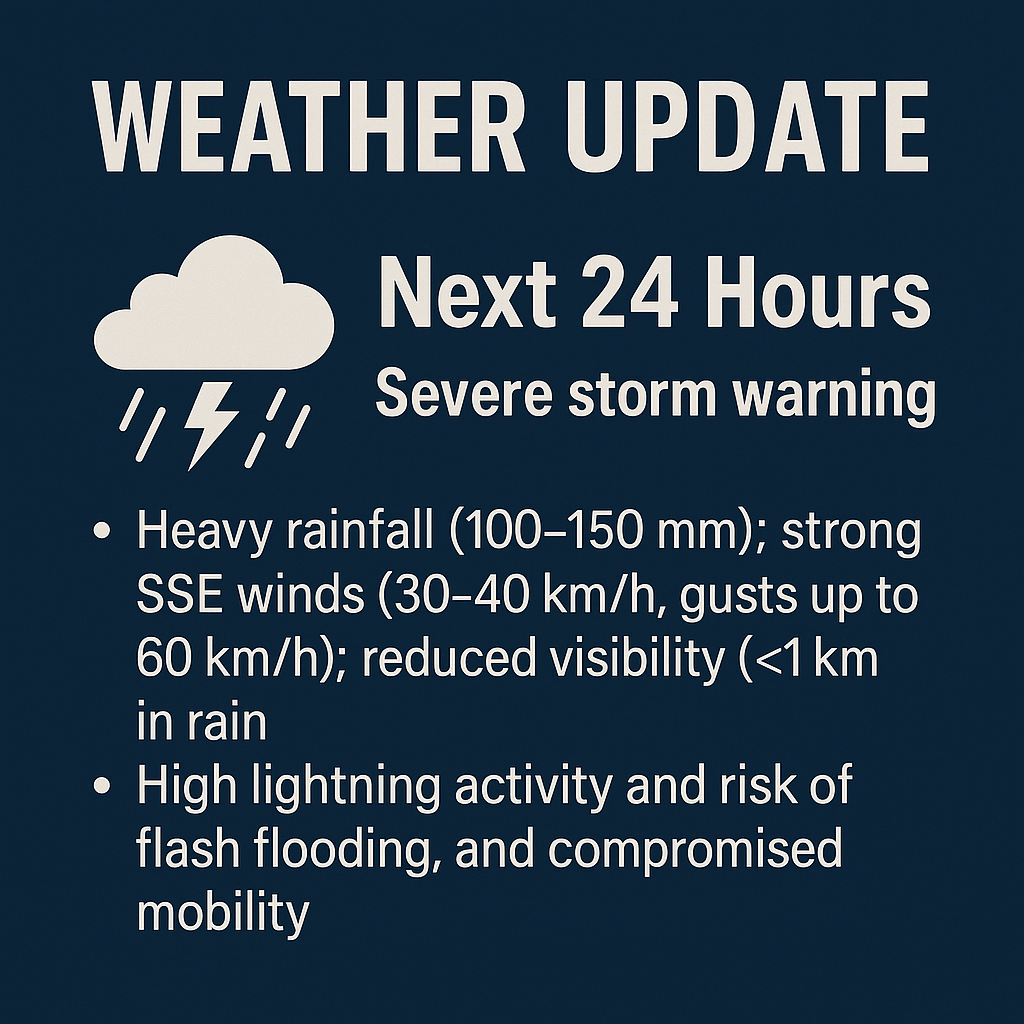
This approach requests an unmanned aerial vehicle to deliver advanced medical supplies directly to the crash site. While it may improve treatment options, it introduces a substantial delay and depends on favorable weather and successful delivery.
Additional time on site: 90 minutes
Advantages- Grants access to advanced supplies without requiring prior selection.
- Allows preparation while waiting for delivery.
- Creates the longest delay on-site.
- Weather-dependent and may fail to arrive.
Option 5: Immediate Extraction with In-Transit Care
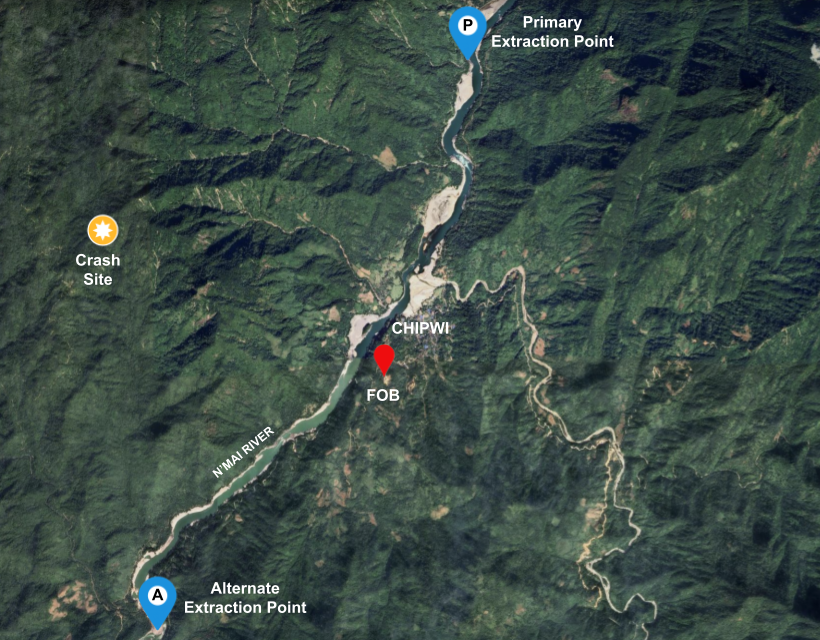
This approach moves Captain Chan from the exposed crash site immediately while providing ongoing medical care during movement to the Extraction Point. It balances speed with continued care, but makes treatment more difficult while the team is on the move.
Additional time on site: 0 minutes
Advantages- Enables immediate departure from the crash site.
- Maintains care during transit.
- Challenging to provide treatment while moving.
- May reduce team agility during movement.
After reviewing the options above, your team must choose the best approach to care for Captain Chan. Your team must wait until there are 2 mins or less remaining before selecting its decision.
Option 1: Shrapnel Wound Management and Arm Splinting
Stabilize Captain Chan’s wounds and fracture on-site for a safer evacuation.
Click to Select Option 1
Option 2: Rapid Stabilization with Oral Pain Management
Apply basic treatment and pain relief to allow quick evacuation.
Click to Select Option 2
Option 3: Advanced Medical Care
* Requires Advanced Medical Supplies in CJ1.
Provide comprehensive treatment on-site using advanced medical supplies.
Click to Select Option 3
Option 4: Automated Drone Delivery of Medical Supplies
Request UAV delivery of supplies. Effective if successful, but weather-dependent.
Click to Select Option 4
Option 5: Immediate Extraction with In-Transit Care
Evacuate immediately and provide care en route to the Extraction Point.
Click to Select Option 5
