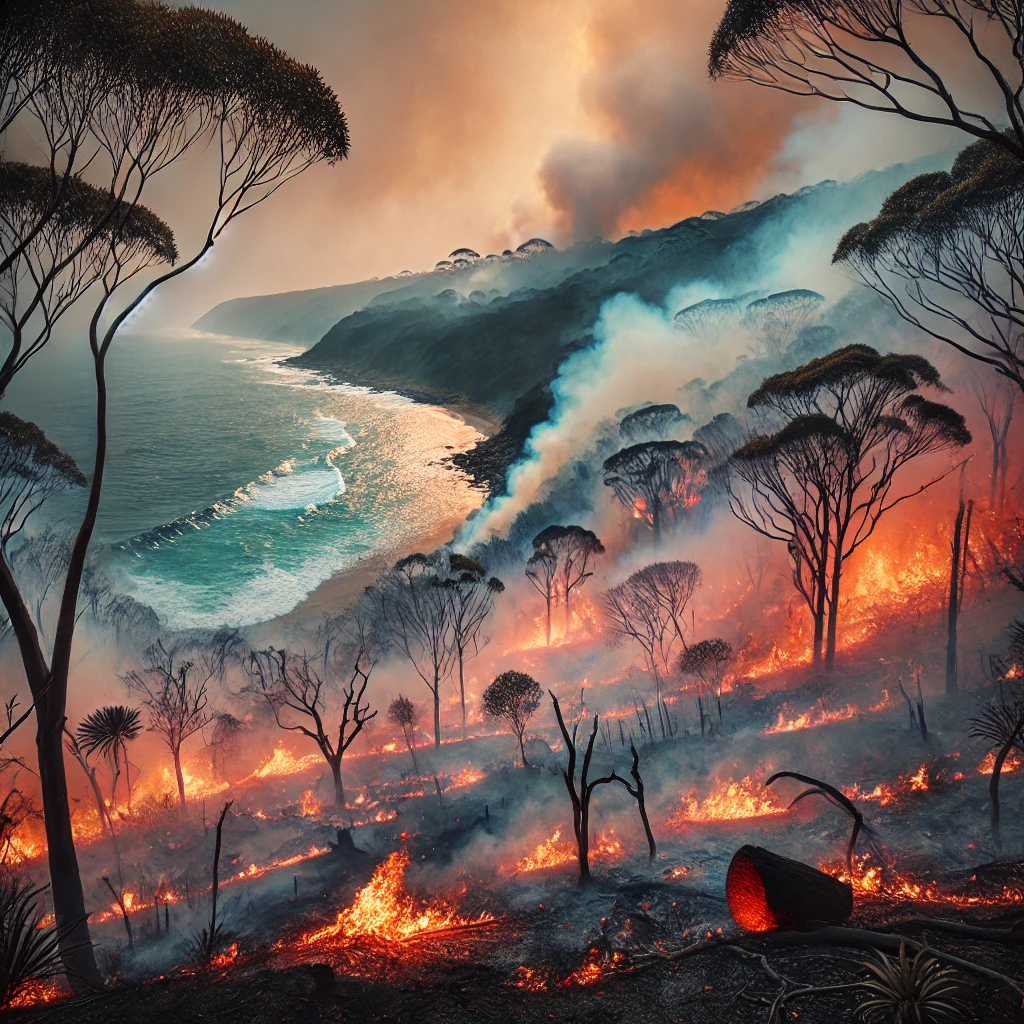
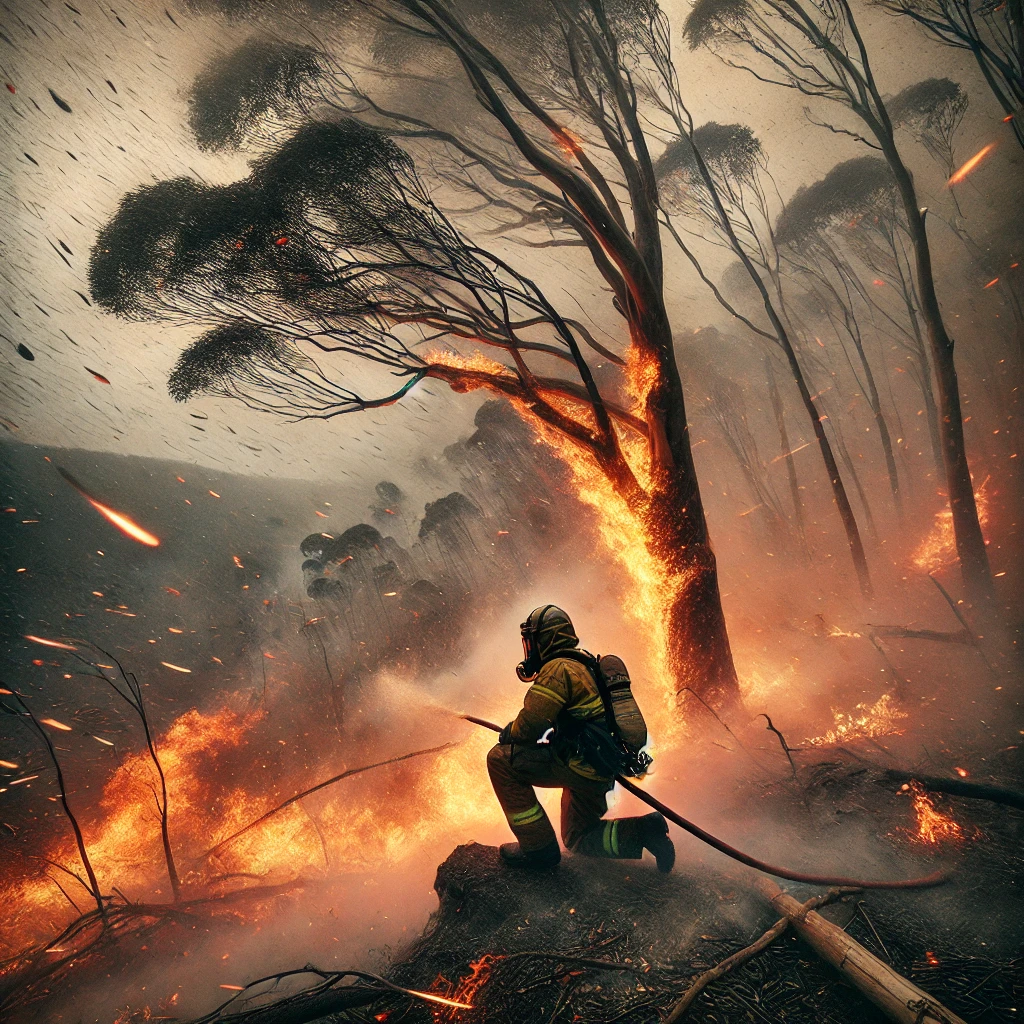
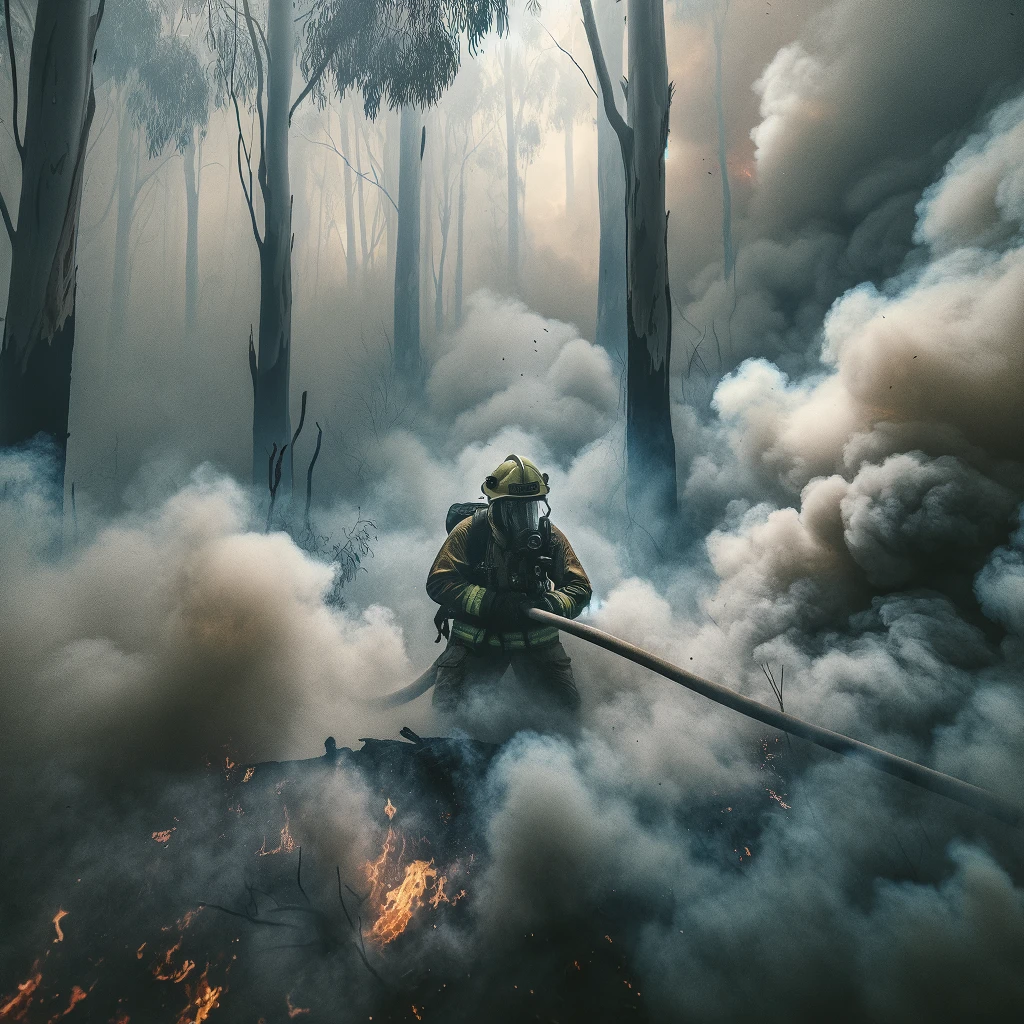
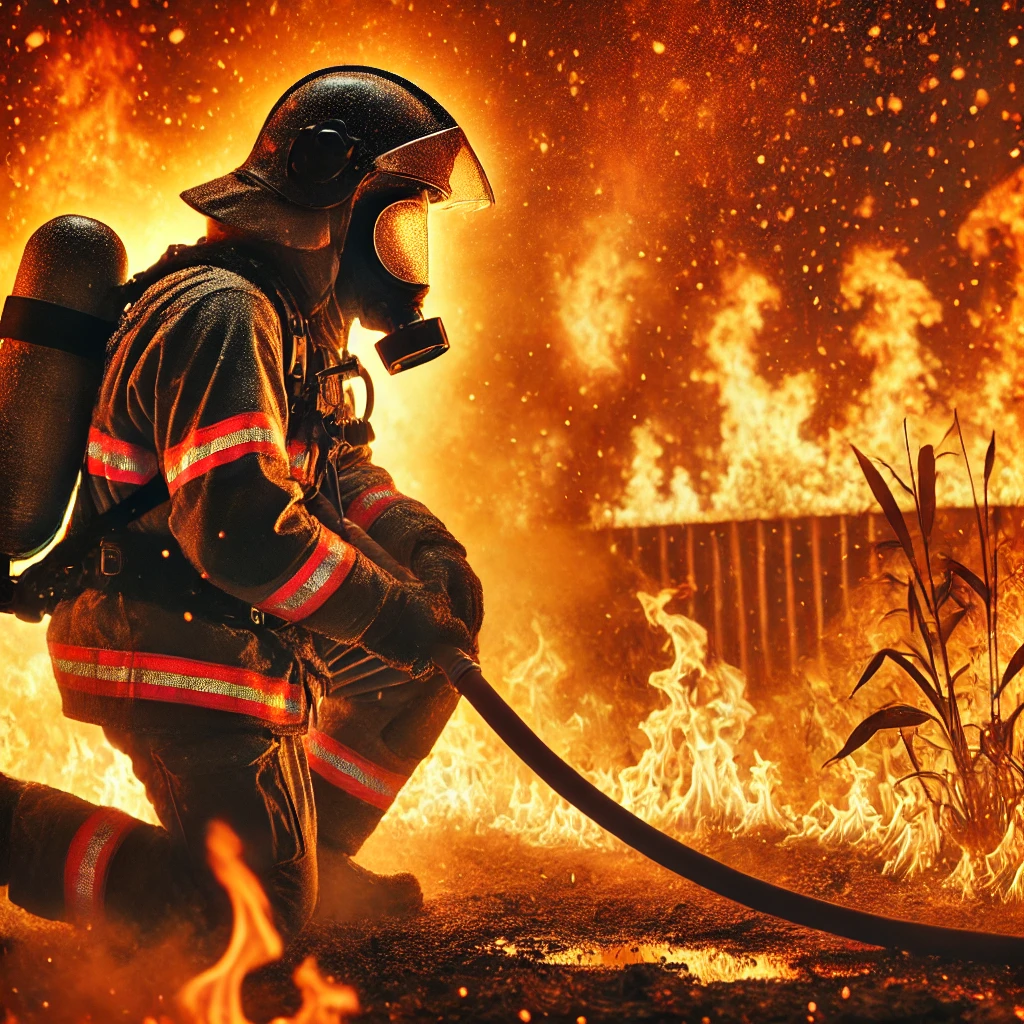
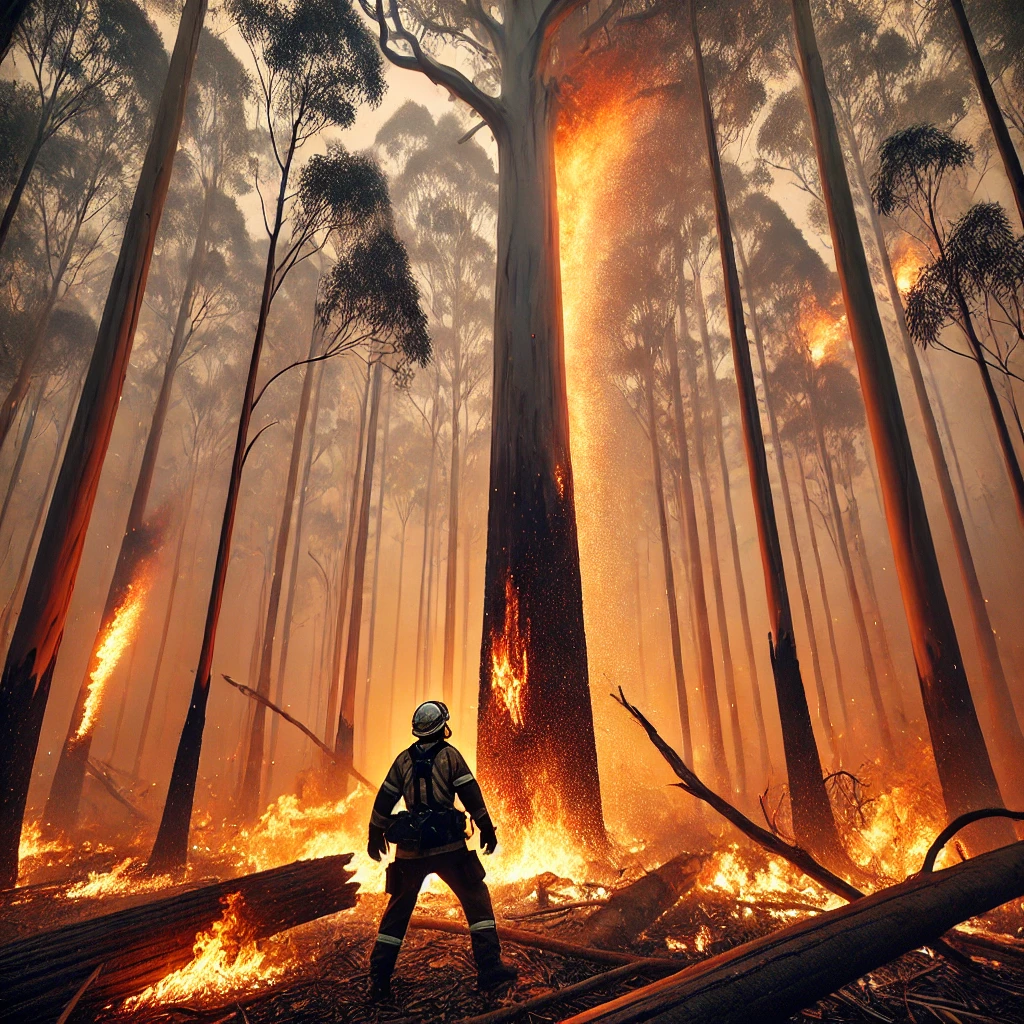
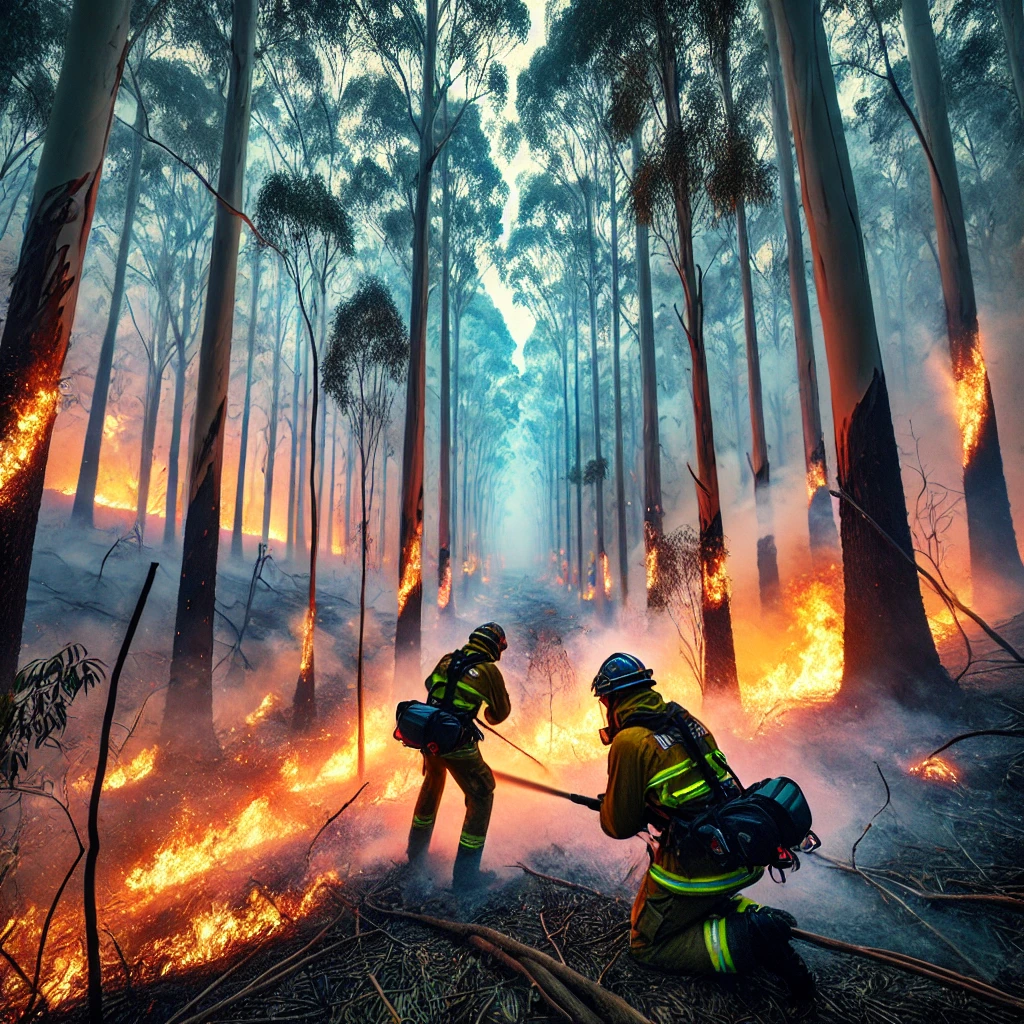
Operation Winyu Baway plunges your team into a high-stakes battle against a fast-moving bushfire on Kangaroo Island, South
Australia. Fueled by dense eucalyptus forests and unpredictable high winds, the blaze threatens lives, homes, and fragile
ecosystems.
The challenge is immense, but your mission is critical: evacuate vulnerable residents, control the fire’s advance, and
safeguard this vital environment.
Watch a 2:30min video that sets the stage for your Teaming Mission.
Your Team
Elite Smokejumper Unit
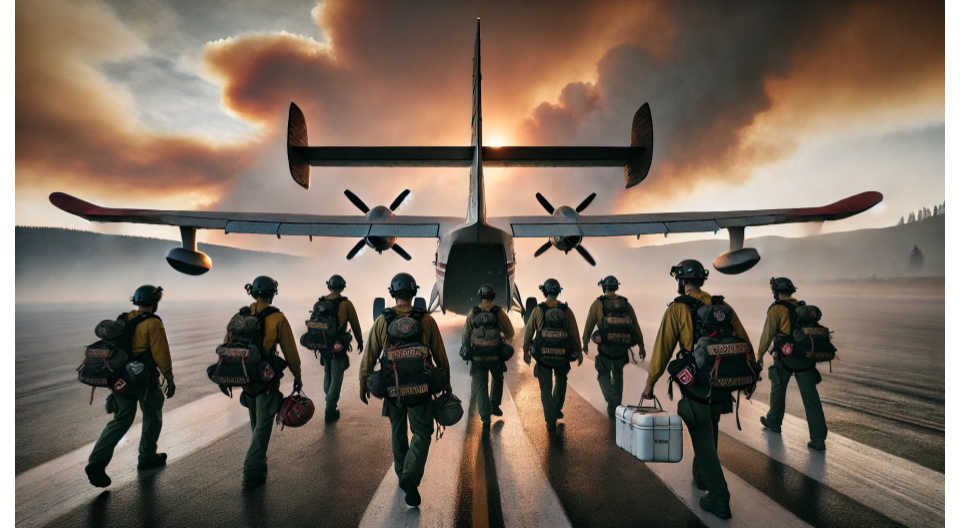
You are an elite team of smokejumpers — firefighters trained to parachute into remote and inaccessible bushfire zones.
Known for your agility, courage, and strategic thinking, your team is uniquely equipped to face the dangers of Kangaroo
Island’s rugged terrain and intense fire conditions.
Your team deploys fast, with minimal support, to stabilise bushfires for incoming units.
Context
Bushfires in Australia
A fire-shaped continent
Bushfires are an unavoidable part of Australia’s landscape, driven by a combination of climate, vegetation, and terrain.
These fires have shaped ecosystems for millennia, with many native plants relying on periodic fires to regenerate.
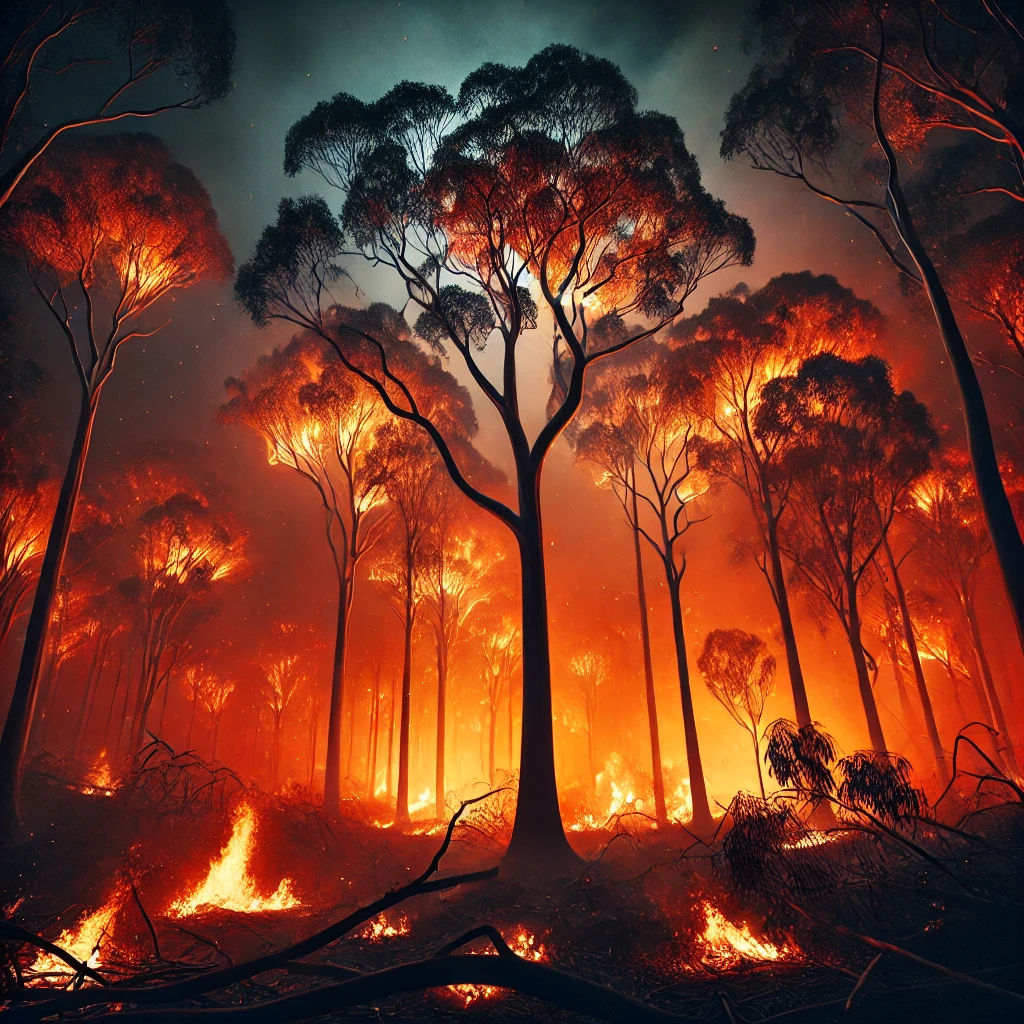
But in recent decades, the nature of bushfires has changed dramatically. Extreme bushfires, fueled by prolonged drought, high
temperatures, and increasingly erratic weather, have become a grave threat to both natural and human environments.
These intense blazes can erupt suddenly, moving at speeds that leave little time for preparation or response — destroying
homes, disrupting communities, devastating ecosystems, and claiming lives.
As Australia faces longer and more severe fire seasons, the challenge demands innovative strategies, highly trained
personnel, and unwavering resolve.
Fires can move quickly through coastal, forested, and peri-urban terrain.
Longer, more severe fire seasons are now a national planning factor.
Operational Realities
Firefighting Challenges
Fighting bushfires is a grueling battle against nature. Crews work in fast-changing, life-threatening conditions where fire
behavior, terrain, and weather can shift in minutes.
Strong, shifting winds
Winds can turn a manageable fire into an uncontrollable inferno, throwing embers ahead, creating new ignition points, and
forcing crews to constantly reposition.
Thick, choking smoke
Smoke reduces visibility, disorients crews, grounds aircraft, and increases the physical toll on firefighters working in
heavy gear.
Relentless heat load
Extreme radiant heat pushes human endurance and gear to the brink, driving exhaustion, dehydration, and equipment failures.
Debris & collapse risks
Falling trees, branches, and collapsing structures create unstable, stop-start conditions that slow containment and increase
injury risk.
Operational Responses
Core Bushfire Strategies
Firefighters layer ground, aerial, and preventative tactics to slow, steer, or stop a fast-moving bushfire.
No single method is enough — it’s the combination that works.
Containment lines
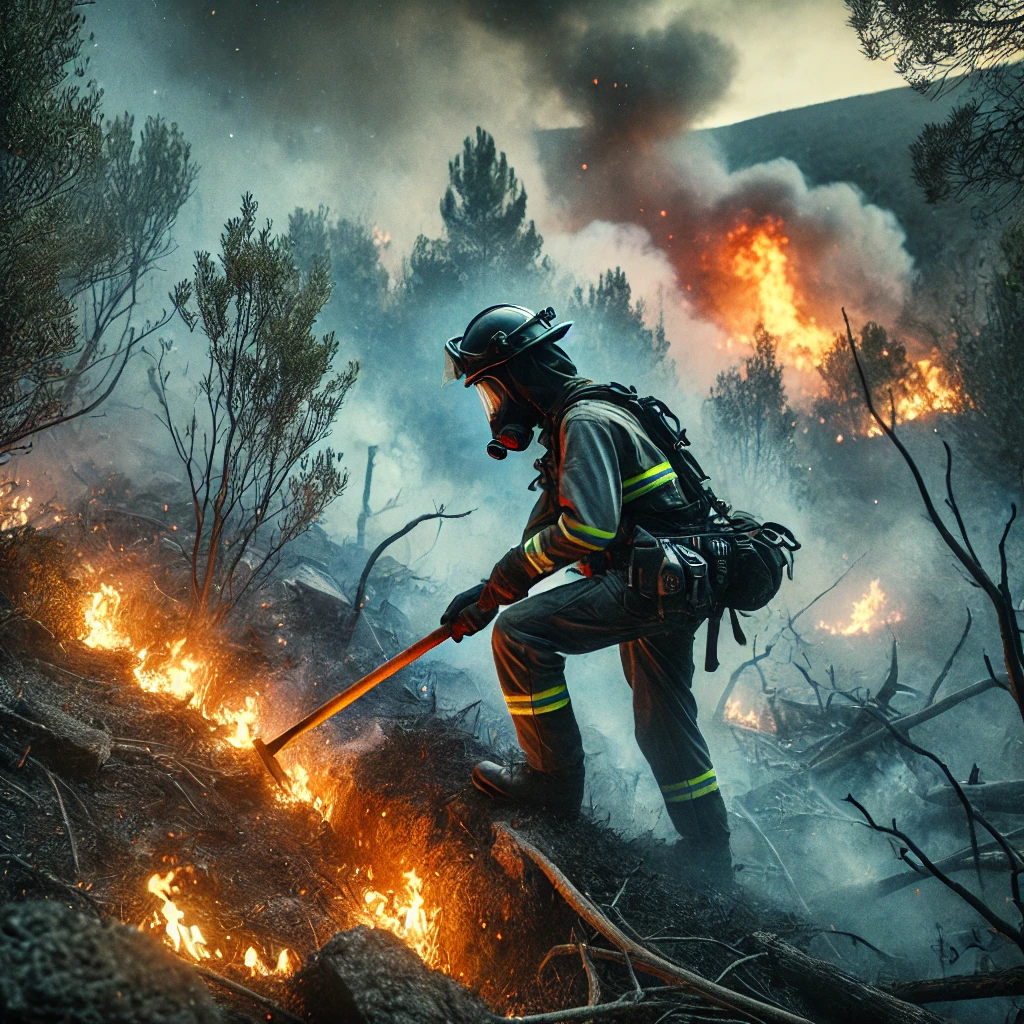
Crews create firebreaks by clearing vegetation, removing fuel, and digging trenches to stop or slow the fire’s advance.
Controlled / planned burns
Managed fires are lit ahead of the main front to consume fuel and redirect the blaze into safer ground.
Aerial operations
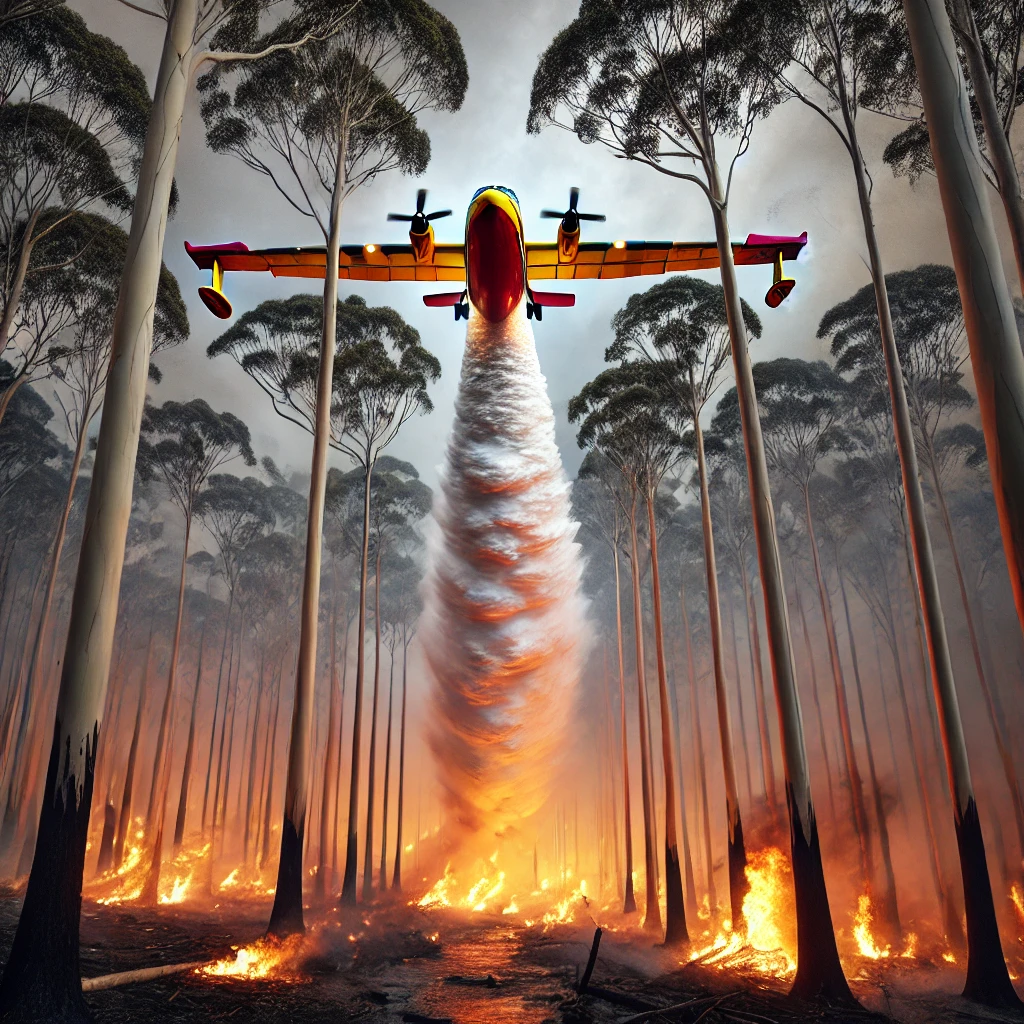
Helicopters and fixed-wing aircraft drop water or retardant to cool hotspots, reach remote areas, and support ground teams.
Direct attack
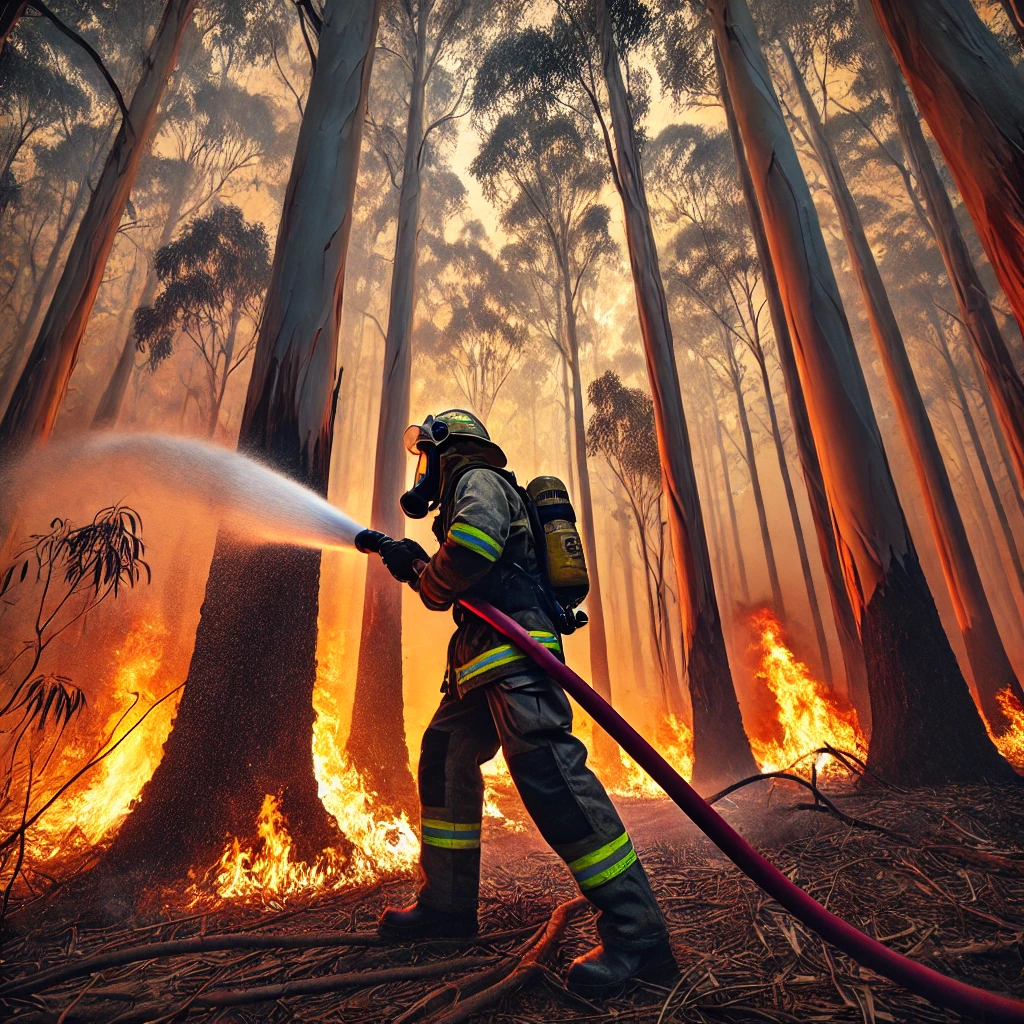
Hoses, hand tools, and portable pumps are used to knock down active flame on smaller fires and flare-ups.
Indirect attack
When conditions are too extreme for direct action, crews steer the fire toward natural or prepared barriers to stop it
safely.
Operating Environment
Kangaroo Island, A Jewel of South Australia
A large, biodiverse, and partially isolated island — beautiful, fragile, and logistically demanding during emergencies.
Location & geography
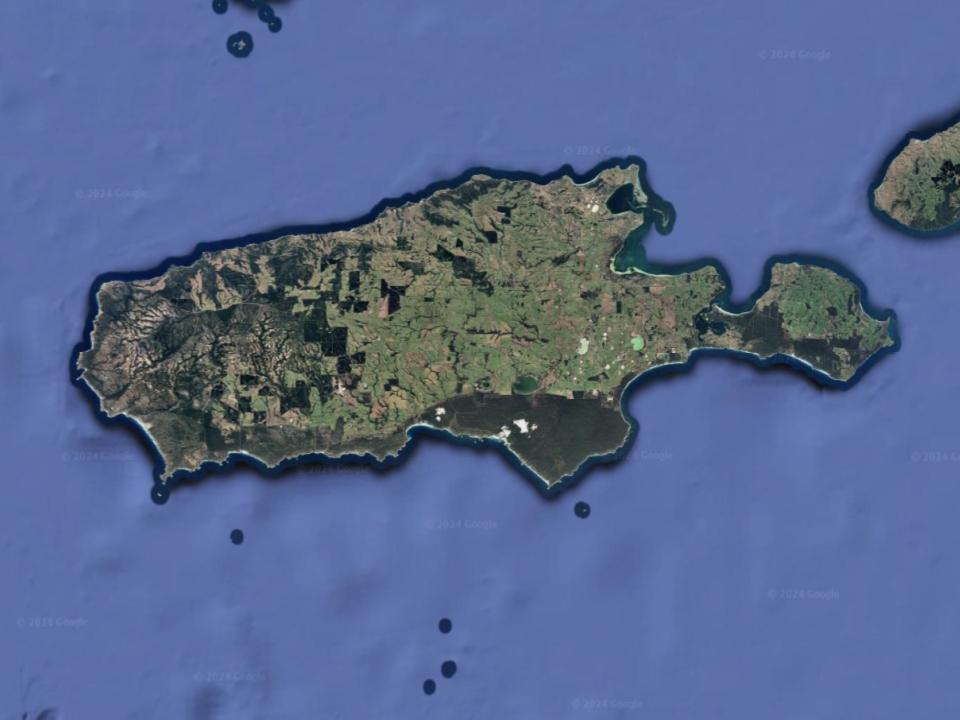
Kangaroo Island, off the southern coast of South Australia, is Australia’s third-largest island, covering over 4,400 km².
It sits about 112 km southwest of Adelaide, separated from the mainland by the Backstairs Passage.
The island combines dramatic coastal cliffs, sandy beaches, rolling farmland, dense eucalyptus forests, and wetlands.
Large, diverse terrain — fire can run through forest, farmland, and coast in a single day.
Biodiversity & ecological value
Isolation has allowed native species to thrive without mainland predators. Bushfires here can erase habitat for species
that exist only on this island.
Over one-third of the island is protected as parks or conservation areas, including Flinders Chase National Park.
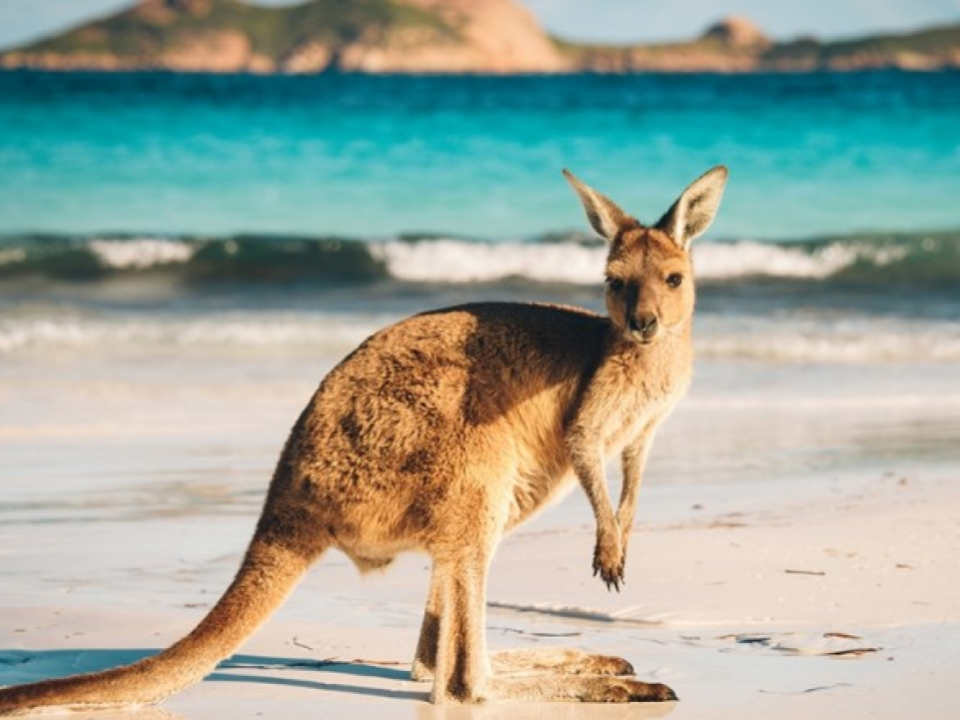
Kangaroo Island kangaroo — part of the island’s tourism and ecological identity.
Access, logistics & communities
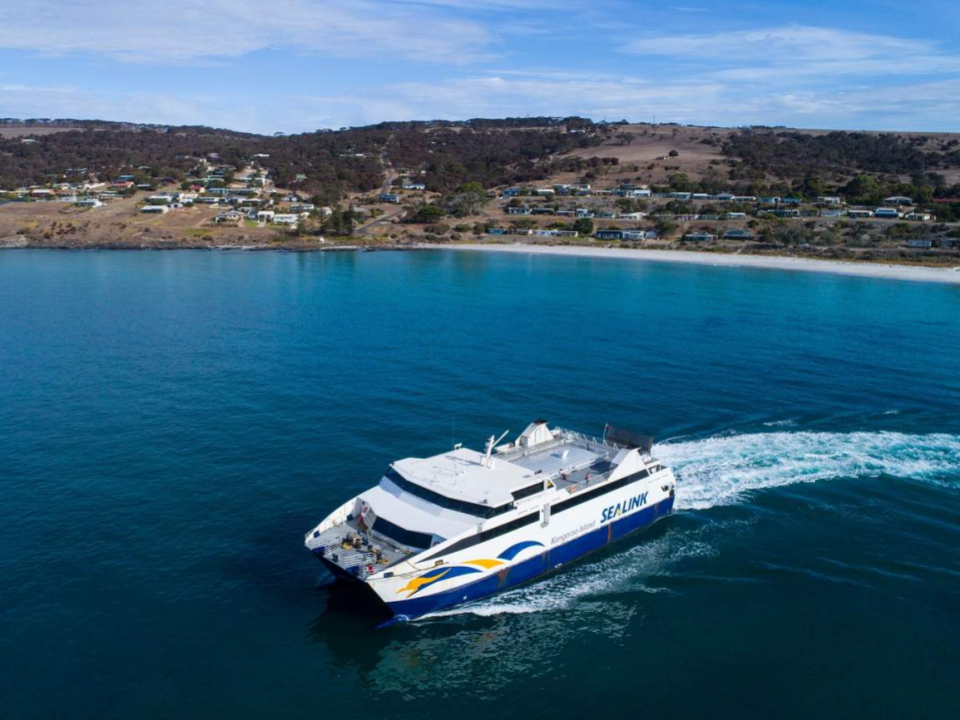
Fire response is slowed by isolation. Ferries and small aircraft move people and equipment — but both are constrained by
weather, scheduling, and fire conditions.
A limited road network and rugged terrain make it harder to reach remote firegrounds or evacuate isolated communities.
Ferry-dependent access — any disruption delays reinforcements and resupply.
Specialist Capability
Smokejumpers: Elite Bushfire Responders
Parachute-in, rapid-containment teams built to reach fires that trucks and standard crews can’t — fast, self-sufficient, and
tightly coordinated.
Who are smokejumpers
Smokejumpers are specially trained wildland firefighters who parachute into remote, inaccessible areas to stop bushfires
before they escalate.
Often the first on scene, they work in rugged terrain under extreme conditions, relying on physical endurance, fire
behaviour expertise, and disciplined teamwork.
Remote insertionEarly containmentTeam discipline
Core capabilities
Jumpers parachute into rugged terrain and access areas unreachable by vehicles — the key to stopping a small fire from
becoming a campaign fire.
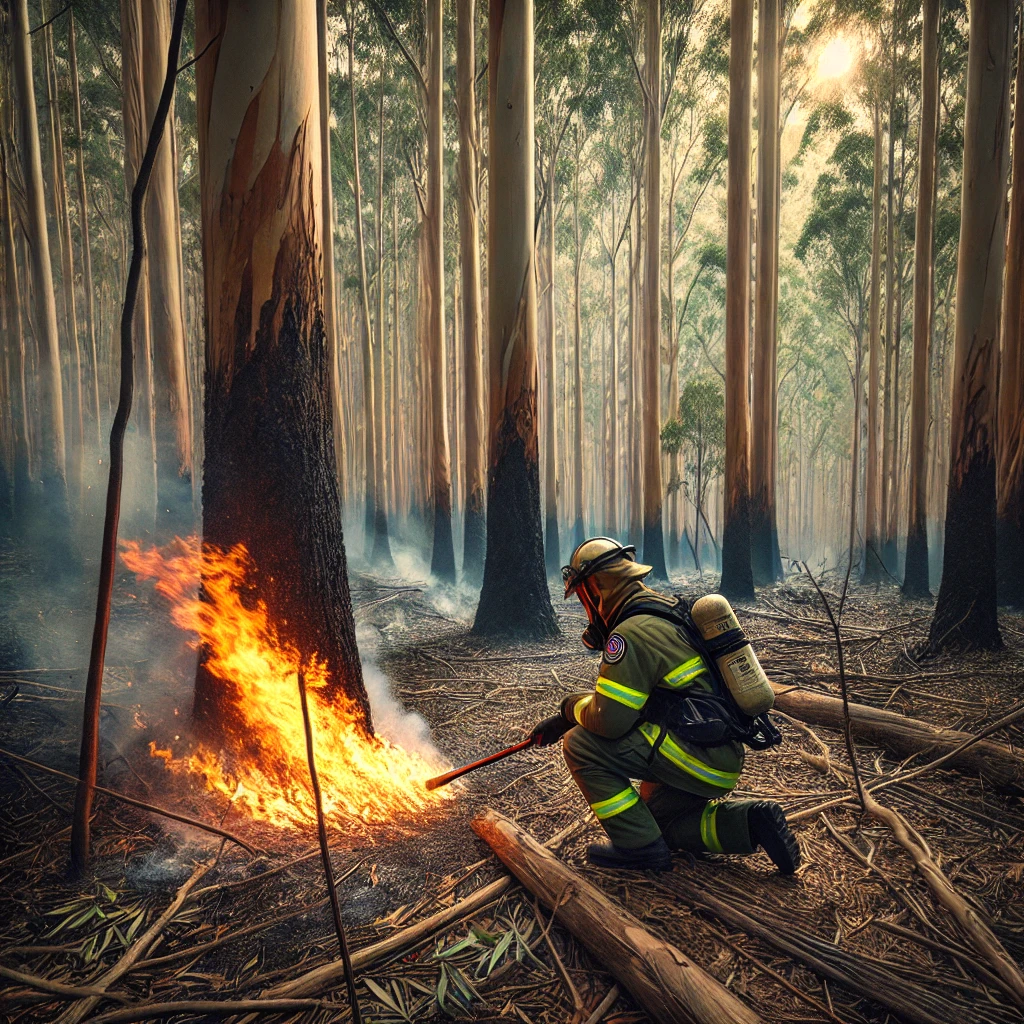
On the ground, they build firebreaks, conduct controlled burns, and apply direct or indirect attack using hand tools and
fire-resistant gear.
Teams can operate independently for 48–72 hours and often hold medical and wilderness navigation skills.
Remote accessFireline construction72h sustainment
Enabling capabilities
Fixed-wing aircraft and helicopters enable rapid deployment, aerial recon, and drops to support ground teams in tight,
windy, or steep conditions.
Bases provide logistics, maintenance, comms, and staging so multiple teams can be pushed forward in sequence.
Medical and recovery facilities keep teams fit for repeated high-risk deployments.
Adelaide International Airport (≈110 km from Kangaroo Island) serves as the jump team’s hub, with aircraft, secure storage,
hangars, and mission staging areas.
A central ops centre coordinates with South Australia’s emergency services, synchronising air and ground efforts.
On-site medical, recovery, and briefing rooms ensure teams are ready to launch again quickly.
Adelaide hubOps synchronisationRapid turnarounds
Lessons from the 1949 Mann Gulch Fire
On 5 August 1949, a lightning-caused fire in Montana’s Helena National Forest trapped a smokejumper crew in steep,
wind-driven terrain. Thirteen firefighters were killed.
Wag Dodge’s escape fire — burning a safe zone ahead of the main fire — saved his life and became a foundational tactic
for modern wildfire operations.
Mann Gulch is still taught today for its lessons on situational awareness, communication, adaptability, and leader
initiative.